How to Get Fit Without a Gym: Effective Home Workouts
 Written by Patrick UtschinskiNASM Certified Personal Trainer
 Reviewed by Rose TateHealth Educator & Nutrition Coach
On this page
Getting fit without a gym is not only possible but can also be highly effective. Home workouts offer flexibility, convenience, and the ability to tailor fitness routines to personal needs. Whether you’re aiming to lose weight, build strength, or maintain overall health, there are countless exercises you can perform without ever stepping into a gym. In this article, we’ll explore various strategies and routines you can adopt to reach your fitness goals right from your living room.
Understanding Fitness Goals
Setting Your Fitness Goals
Before embarking on any fitness journey, it is crucial to set clear, achievable goals. Defining what you want to achieve helps in structuring your workout regimen. Whether you’re aiming for weight loss, muscle building, or simply staying active, having specified objectives will keep you motivated and track your progress effectively. Examples of fitness goals might include losing a certain amount of weight, completing a set number of push-ups, or reducing body fat percentage.
Essential Equipment for Home Workouts
Basic Equipment to Consider
While it’s possible to train effectively without any equipment, adding a few pieces can enormously enhance your workout routines. Essential equipment includes dumbbells, resistance bands, a yoga mat, stability ball, jump rope, and kettlebells. Each of these can target different muscle groups and add variety to prevent workout monotony. A jump rope offers exceptional cardio benefits, while dumbbells and resistance bands can be used for a range of strength-training exercises.
Dumbbells and Resistance Bands
An ideal starting point for building strength, these are versatile tools. You can perform exercises like bicep curls and resistance band squats that engage multiple muscle groups.
Yoga Mat and Stability Ball
A yoga mat provides comfort during floor exercises, while a stability ball helps improve core strength through balance exercises such as ball planks.
Jump Rope and Kettlebells
Jumping rope is a fun and effective cardio workout, while kettlebells are excellent for compound exercises like swings and snatches.
Building a Budget-Friendly Home Gym
If you’re concerned about the cost of fitness equipment, there are budget-friendly strategies you can employ. Begin by purchasing essentials that suit your routine. Look for second-hand equipment or use household items creatively, like water bottles for weights. Here’s how to prioritize:
| Equipment | Benefits |
|---|---|
| Dumbbells | Strength Training |
| Resistance Bands | Versatile, Low Impact |
| Jump Rope | Cardiovascular Fitness |
You do not need a gym to make progress, you need a plan. Pick five bodyweight moves, do them as a circuit three times a week, and make each week a little harder: more reps, a slower tempo or shorter rest.
Patrick UtschinskiNASM Certified Personal TrainerEffective Home Workout Routines
Cardio Exercises at Home
Cardio exercises are essential for heart health and burning calories. In the comfort of your home, plenty of exercises can get your heart rate pumping. High-Intensity Interval Training (HIIT) is one method that alternates short bursts of intense activity with rest periods, providing an efficient calorie burn.
- Start with a warm-up: 5 minutes of brisk walking or marching in place.
- Perform 30 seconds of each: jumping jacks, high knees, mountain climbers, rest, then repeat.
Strength Training Without Equipment
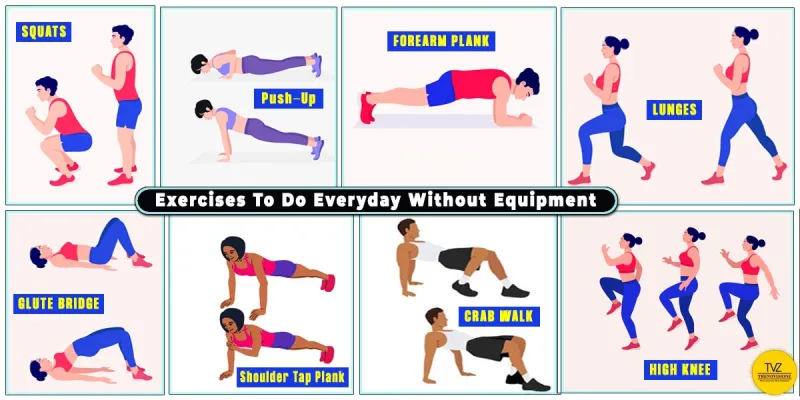
Strength training at home doesn’t require a heavy set of weights. Bodyweight exercises such as push-ups, squats, and lunges can be highly effective. These exercises engage multiple muscle groups and can be easily modified to increase difficulty levels. Here is a basic bodyweight routine:
- Push-ups: 3 sets of 10-15 reps
- Squats: 3 sets of 15-20 reps
- Planks: 3 sets of 30-60 seconds each
Incorporating Flexibility and Balance Work
Stretching and Yoga Practices
Flexibility exercises such as stretching and yoga are important for preventing injuries and maintaining mobility. Incorporating daily stretching or yoga sessions can enhance muscle recovery and improve overall wellbeing. Consider a routine that lasts about 10-15 minutes, focusing on major muscle groups. Regular practice of yoga not only enhances flexibility but also builds mental clarity and tranquility.
Staying Motivated
Creating a Consistent Workout Schedule
The key to staying fit without a gym lies in consistent effort. Establishing a routine helps you maintain discipline. Set specific days and times for your workouts, similar to how appointments are scheduled. Make use of alarms and reminder systems to keep you on track. Over time, what starts as a challenge will turn into a habit, seamlessly integrating into your daily life.
Home workouts are a great way to come back to exercise. Warm up for five minutes, keep the floor around you clear, and if you have a heart or joint condition, ask your doctor what intensity is right for you.
Rose TateHealth Educator & Nutrition CoachConclusion
Exercising from home is a flexible and effective alternative to gym workouts. It allows you to tailor a fitness program to your individual needs without the need for expensive equipment or travel time. By setting firm goals, using available resources, and staying committed, you can achieve significant fitness gains. The key is consistency, determination, and the willingness to adapt as you progress on your fitness journey.
FAQs
1. Can I get results from home workouts without any equipment?
Yes, you can achieve great fitness results using just your bodyweight. Exercises like push-ups, squats, lunges, and planks can effectively build strength and endurance.
2. How often should I do home workouts?
Aim for at least 150 minutes of moderate aerobic activity or 75 minutes of vigorous activity each week, combined with strength exercises on two or more days per week.
3. What if I don’t have a lot of space for home workouts?
You can adapt most workouts to fit small spaces. Focus on exercises that don’t require much room, like jumping jacks, sit-ups, and leg raises.
4. Is it harder to stay motivated with home workouts compared to gym workouts?
It can be challenging but setting goals, creating a dedicated workout space, scheduling regular workout times, and tracking progress can help maintain motivation.
5. Are home workouts suitable for all fitness levels?
Yes, home workouts can be tailored for beginners to advanced athletes. It’s important to start with exercises appropriate for your fitness level and gradually increase intensity.
This article is for general information only and is not a substitute for professional medical advice. Talk to your doctor before starting a new exercise program. See our medical disclaimer.